Herbal supplements for blood sugar: what they can (and can’t) do
Many people search for herbal supplements for blood sugar because they want gentle, natural support—especially if they feel tired after meals, struggle with cravings, or want to maintain healthy numbers as they age.
Herbs and nutrients can sometimes support healthy blood sugar by helping with things like:
- How the body uses insulin
- How quickly carbs are absorbed
- Appetite and cravings
- Inflammation and oxidative stress
But it’s important to be clear: supplements are not a cure for diabetes, and they don’t replace a balanced diet, movement, sleep, or medical care. Think of them as helpers, not heroes.
If you already take diabetes medications (like metformin, insulin, sulfonylureas, etc.), you must be careful: some supplements may lower blood sugar too much when combined with meds. Always talk to a qualified clinician before starting anything new.
Why blood sugar matters (in easy words)
Blood sugar (glucose) is the main fuel your body uses. After you eat, glucose rises, and insulin helps move it into cells.
When blood sugar regularly spikes too high, or stays higher than it should, you may notice:
- Energy crashes after meals
- Strong sweet cravings
- Frequent hunger
- Brain fog
- Mood swings
- Increased belly fat over time
The goal is steady balance—not extreme lows or highs. That’s why many people look for natural supplements for blood sugar balance along with simple lifestyle upgrades.
The most researched herbal supplements for blood sugar support
Below are popular blood sugar support supplements and herbs that have research behind them. Results vary by person, and quality matters a lot1) Berberine (top choice for many people)
Berberine is a plant compound found in herbs like barberry. It’s one of the most discussed options for glucose support.
How it may help:
- Supports insulin sensitivity
- Supports healthy glucose metabolism
- May help with post-meal spikes
Typical use: Often taken before meals.
Caution: Can cause stomach upset in some people. May interact with medications. Not recommended in pregnancy/breastfeeding unless your clinician approves.
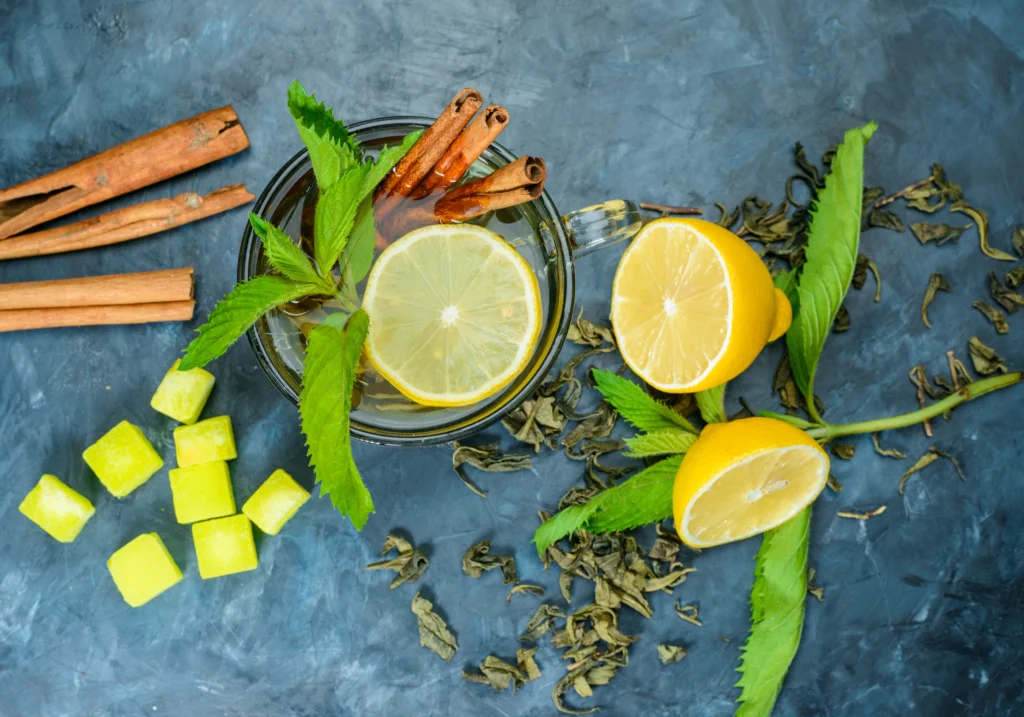
2) Cinnamon (especially Ceylon)
Cinnamon is a common kitchen spice, but it’s also used as a supplement.
How it may help:
- May support healthier fasting and post-meal glucose in some people
- May reduce cravings for sweets in certain cases
Tip: If supplementing daily, many prefer Ceylon cinnamon (lower in coumarin than Cassia).
Caution: Large doses of Cassia cinnamon may not be ideal long-term for the liver.
3) Gymnema sylvestre (“sugar destroyer” herb)
Gymnema is used traditionally in Ayurveda and often marketed for sugar cravings.
How it may help:
- May help reduce sweet taste sensation (less craving)
- May support healthy insulin function
Best for: People who struggle with dessert cravings.
Caution: Monitor if on glucose-lowering meds.
4) Fenugreek (fiber + plant compounds)
Fenugreek seeds contain soluble fiber and compounds that may support glucose balance.
How it may help:
- Slows carb absorption (thanks to fiber)
- Supports post-meal blood sugar
Bonus: May also support fullness.
Caution: May cause gas/bloating for some.
5) Bitter melon
Bitter melon is used in many traditional systems and is popular in some cultures for glucose support.
How it may help:
- May support glucose uptake in cells
- May help manage post-meal increases
Caution: Can lower blood sugar—be careful with medications.
6) Amla (Indian gooseberry)
Amla is rich in antioxidants and widely used in Ayurveda.
How it may help:
- Supports antioxidant status
- May support metabolic health and glucose balance
Good fit: People wanting gentle daily wellness support.
7) Aloe vera (certain extracts)
Some studies suggest aloe vera extracts may support blood sugar markers in certain groups.
Caution: Aloe latex can have strong laxative effects—choose standardized, reputable products.
8) Turmeric / Curcumin
Curcumin is known for inflammation support, and inflammation is often linked with metabolic health.
How it may help:
- Supports healthy inflammation response
- May support insulin sensitivity as part of a broader plan
Tip: Look for enhanced-absorption forms (but still keep expectations realistic).
Best vitamins and minerals for blood sugar control
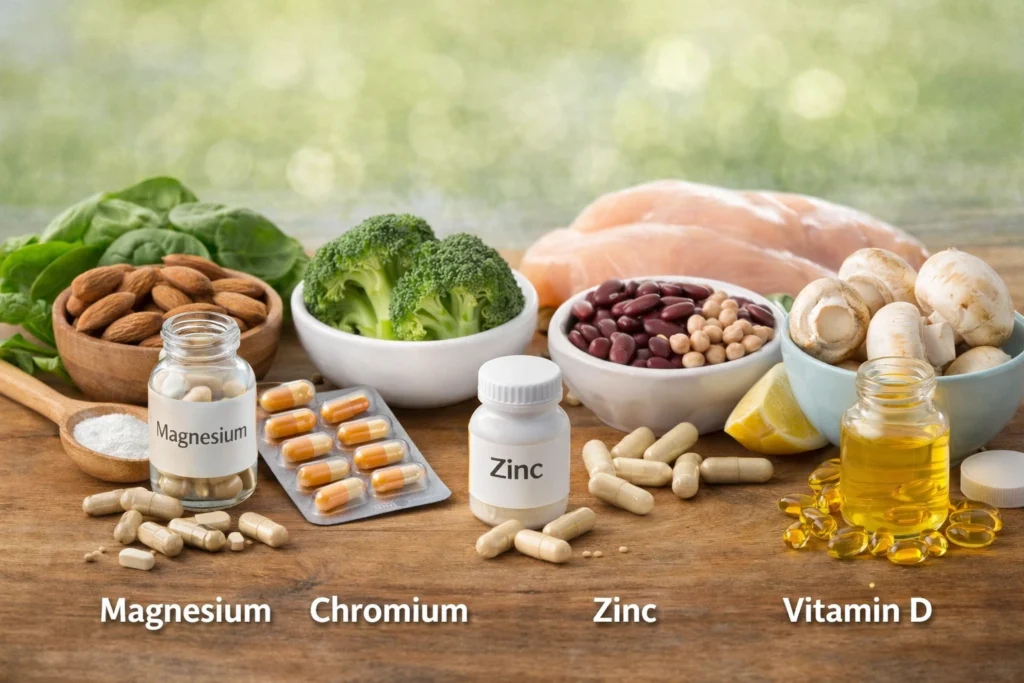
Not everything is an herb. Some of the best vitamins for blood sugar control are actually minerals that many people don’t get enough of.
Magnesium
Magnesium is involved in hundreds of body processes, including glucose metabolism.
May support:
- Insulin sensitivity
- Better sleep (which indirectly supports glucose)
Food sources: Nuts, seeds, leafy greens.
Supplement note: Magnesium glycinate is often gentler on the stomach.
Chromium
Chromium is commonly included in daily supplements for blood sugar management.
May support:
- Insulin function in some people
Caution: More is not always better—use moderate doses from reputable brands.
Zinc
Zinc supports many metabolic processes.
May support:
- Insulin storage and function
- General immune support
Vitamin D
Vitamin D is linked to metabolic health, especially if you’re low.
Best approach: If possible, test your levels and supplement only as needed.
“Best supplements for blood sugar” — what actually works best?
There isn’t one perfect supplement that works for everyone. The best option depends on your main struggle:
If your issue is cravings
- Gymnema
- Cinnamon
- Higher-protein + fiber habits (not a supplement, but powerful)
If you want post-meal support
- Berberine
- Fenugreek
- Fiber-based formulas (psyllium, glucomannan)
If you want a gentle daily balance
- Amla
- Magnesium (if low)
- Curcumin (as part of a broader wellness plan)
If you want “all-in-one” support
Many people choose a blend that includes:
- One “metabolism” ingredient (like berberine)
- One “craving” ingredient (like gymnema/cinnamon)
- One mineral (magnesium/chromium)
Comparison table: supplement types and who they’re for
| Supplement/Type | Main Potential Benefit | Best For | Cautions |
|---|---|---|---|
| Berberine | Glucose metabolism & insulin sensitivity | Higher fasting/post-meal concerns | Can interact with meds; GI upset |
| Cinnamon (Ceylon) | Post-meal support, cravings | Mild support + cravings | Avoid high Cassia doses long-term |
| Gymnema | Craving control | Sweet cravings | May lower glucose with meds |
| Fenugreek | Slower carb absorption | Post-meal spikes | Bloating/gas possible |
| Bitter melon | Glucose uptake support | Post-meal spikes | Risk of low glucose with meds |
| Amla | Antioxidant + gentle metabolic support | Daily wellness | Generally mild, still monitor |
| Magnesium | Insulin sensitivity + sleep support | Low magnesium, poor sleep | Too much can cause loose stools |
| Chromium | Supports insulin function (some) | “Support stack” users | Avoid excessive dosing |
How to choose quality blood sugar support supplements (very important)
Supplements can look similar online, but quality can be very different. Use this checklist:
Label checklist
- Clear ingredient amounts (no “proprietary blend” hiding doses)
- Standardized extracts (example: “95% curcuminoids”)
- Transparent serving size
Quality checklist
- Third-party testing (USP, NSF, ISO, or independent lab testing)
- GMP-certified manufacturing
- Real brand contact info
- Freshness and proper packaging
Dosage checklist
- Start low, increase slowly
- Don’t start multiple new supplements at once (hard to know what caused effects)
Safety: who should be extra careful
Be cautious and get medical guidance if you are:
- Taking insulin or glucose-lowering meds
- Pregnant or breastfeeding
- Managing kidney, liver, or heart conditions
- Prone to low blood sugar episodes
- Preparing for surgery (some supplements may affect bleeding or glucose control)
Watch for signs of low blood sugar (especially with meds): shakiness, sweating, dizziness, confusion, fast heartbeat.
How to support healthy blood sugar naturally (daily habits that beat supplements)
If you want the real “secret,” it’s not just pills—it’s a routine that keeps spikes smaller.
1) Build meals with the “plate method”
Try:
- ½ plate: non-starchy veggies
- ¼ plate: protein
- ¼ plate: smart carbs (rice, roti, potatoes—just keep portions reasonable)
- Add healthy fat (olive oil, nuts, seeds)
This helps slow digestion and reduces spikes.
2) Walk 10 minutes after meals
A simple walk after lunch or dinner is one of the easiest ways to support blood sugar.
3) Eat protein at breakfast
A high-carb breakfast can spike glucose early and increase cravings later.
Try eggs, Greek yogurt, paneer, tofu, dal, or protein smoothies.
4) Add fiber daily
Fiber is like a “speed breaker” for sugar absorption.
- Chia seeds
- Flax seeds
- Psyllium husk (if tolerated)
- Beans and lentils
- Vegetables
5) Sleep is a blood sugar tool
Poor sleep increases hunger hormones and cravings.
Aim for a consistent sleep schedule.
6) Manage stress (yes, it affects sugar)
Stress hormones can raise blood sugar.
Quick help: breathing exercises, light yoga, evening walks, less caffeine late in the day.

Example supplement routines (simple, realistic)
These are not medical advice—just examples of how people often structure a plan.
Routine A: Mild support (beginner)
- Cinnamon (Ceylon) with meals
- Magnesium at night (if tolerated)
- Fiber from food daily
Routine B: Cravings + post-meal spikes
- Gymnema before sweet-heavy meals
- Fenugreek (capsules or powder) with meals
- 10-minute post-meal walk
Routine C: Stronger “metabolic” support (only with guidance if on meds)
- Berberine before meals (start low)
- Magnesium at night
- High-protein breakfast routine
FAQ: herbal supplements for blood sugar
1) What is the best herbal supplement for blood sugar?
Many people consider berberine one of the strongest options, while cinnamon and gymnema are popular for cravings and mild daily support. The “best” depends on your needs and medications.
2) Can supplements regulate blood sugar levels by themselves?
Usually, no. Supplements work best alongside food, movement, stress management, and sleep.
3) Are natural supplements for blood sugar balance safe?
Some are generally well tolerated, but “natural” doesn’t always mean safe—especially if you take medications. Always check interactions.
4) How long do supplements take to work?
Some people notice changes in cravings or energy within 1–2 weeks. For measurable blood markers, it may take 8–12 weeks, depending on your routine and consistency.
5) Can I take multiple blood sugar support supplements together?
You can, but it’s smarter to start one at a time. Combining too many increases the risk of low blood sugar (especially with meds) and stomach issues.
6) What are the best daily supplements for blood sugar management?
Common daily basics include magnesium (if low), cinnamon, and fiber support—plus a targeted herb like gymnema or berberine depending on your goal.
Conclusion: smart, safe support wins
If you’re exploring herbal supplements for blood sugar, focus on three things:
- Choose one or two well-studied options (not ten random pills)
- Buy quality products with clear labels and testing
- Pair supplements with simple habits—protein, fiber, walking, sleep, stress control
That’s how you build real, sustainable results without hype.
Gentle next step: Explore more wellness and nutrition resources on the Incline church website and keep improving one small habit each week.