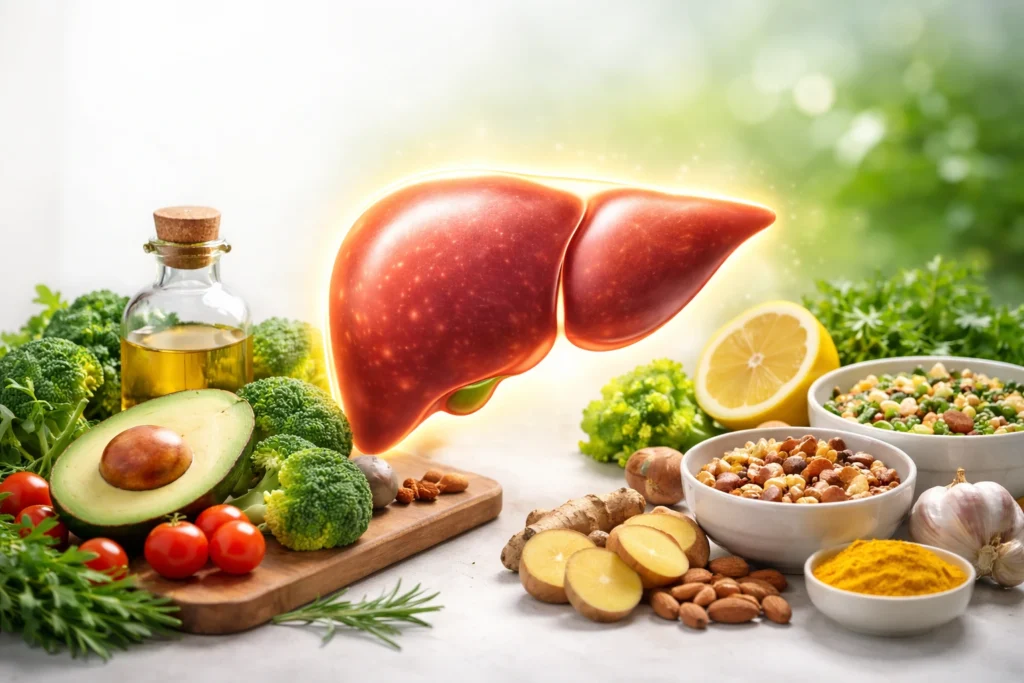
The liver is one of the most vital organs in the human body, yet it rarely receives the attention it deserves. Working quietly behind the scenes, it performs hundreds of essential functions that influence digestion, metabolism, immunity, and overall balance within the body. Unlike organs that serve a single purpose, the liver supports multiple systems at once, making its health central to long-term wellness.
In today’s world, the liver faces constant pressure. Processed foods, environmental toxins, alcohol, stress, lack of sleep, and sedentary habits all increase the workload placed on this organ. Over time, these factors can interfere with normal liver function, often without obvious symptoms in the early stages.
Understanding how the liver works and how to care for it naturally can help reduce long-term health risks and support better energy, digestion, and resilience. This article explores the liver’s core functions, dietary and lifestyle strategies to support its health, early warning signs of imbalance, and practical steps to maintain liver wellness over time.
Table of Contents
- What Is the Liver and What Does It Do?
- Why Is Liver Health Important for Overall Wellness?
- Detoxification and Blood Filtration
- Metabolism and Energy Regulation
- Digestive Support and Bile Production
- Nutrient Storage and Balance
- Immune System Support
- What Is the Best Diet for a Healthy Liver?
- Which Foods Should Be Limited for Liver Health?
- What Lifestyle Habits Support Liver Function Naturally?
- What Are the Signs of an Unhealthy Liver?
- Early Warning Signs to Watch For
- Frequently Asked Questions
- Final Thoughts
What Is the Liver and What Does It Do?
The liver is a large, wedge-shaped organ located in the upper right area of the abdomen, just beneath the rib cage. It acts as the body’s central processing unit, managing substances absorbed from food, regulating blood chemical levels, and removing waste products.
Nearly everything that enters the bloodstream from the digestive system passes through the liver first. This allows the liver to decide what the body can use immediately, what should be stored, and what needs to be broken down or eliminated.
One of the liver’s most unique features is its ability to regenerate. Even when part of the liver is damaged, it can repair itself under the right conditions. However, chronic stress, inflammation, and poor lifestyle habits can gradually reduce this regenerative capacity.
Why Is Liver Health Important for Overall Wellness?
Liver health affects far more than digestion alone. Because the liver interacts with nearly every system in the body, even mild dysfunction can influence energy levels, immune strength, hormonal balance, and mental clarity.
Detoxification and Blood Filtration
The liver filters the blood and processes substances such as alcohol, medications, pollutants, and metabolic waste. Through complex chemical reactions, it converts these substances into forms that can be safely removed from the body.
When detox pathways become overwhelmed, waste products may accumulate, leading to symptoms such as fatigue, headaches, skin irritation, or a general sense of sluggishness.
Metabolism and Energy Regulation
The liver plays a central role in regulating blood sugar Support levels. It stores excess glucose as glycogen and releases it when energy is needed. It also helps process fats and proteins so they can be used efficiently by the body.
When liver function is impaired, energy production may become inconsistent, contributing to tiredness, difficulty concentrating, or unwanted weight changes.
Digestive Support and Bile Production
Bile produced by the liver is essential for breaking down dietary fats and absorbing fat-soluble nutrients. Proper bile flow supports smooth digestion and helps prevent discomfort after meals.
Impaired bile production may lead to bloating, gas, or difficulty digesting fatty foods.
Nutrient Storage and Balance
The liver stores key vitamins and minerals, including vitamins A, D, E, and K, as well as iron and copper. These nutrients are released as needed to support cellular function, immunity, and tissue repair.
If the liver health struggles, nutrient storage and release may become inefficient, increasing the risk of deficiencies over time.
Immune System Support
The liver supports immune health by filtering bacteria and toxins from the blood and producing immune-related proteins. It also helps regulate inflammation, which plays a role in both infection defense and chronic disease prevention.
What Is the Best Diet for a Healthy Liver?

Nutrition is one of the most effective ways to support liver function. A balanced, whole-food diet reduces unnecessary strain and provides the nutrients needed for repair and detox processes.
A Best Diet for a Healthy Liver-supportive diet generally includes:
- Vegetables, particularly leafy greens and cruciferous varieties
- Fruits consumed in moderation
- Whole grains that provide fiber
- Lean sources of protein
- Healthy fats from natural sources
Fiber helps support digestion and the elimination of waste products, while antioxidants protect liver cells from oxidative stress. Adequate hydration further supports natural cleansing processes.
Regular, balanced meals can also help stabilize blood sugar levels and reduce metabolic stress on the liver.
Which Foods Should Be Limited for Liver Health?
Certain foods and substances place additional pressure on the liver, especially when consumed frequently.
Liver Health for the best Foods Limited includes:
- Alcohol, particularly in excess
- Fried and heavily processed foods
- Sugary drinks and sweets
- Refined carbohydrates
Excess sugar and unhealthy fats can contribute to fat accumulation in the liver. Over time, this may interfere with normal liver function and increase inflammation.
Reducing these foods allows the liver to focus on essential metabolic and detoxification tasks.
What Lifestyle Habits Support Liver Function Naturally?
Lifestyle habits play a critical role alongside diet in maintaining liver health Naturally.
Regular physical activity helps improve metabolism and reduces fat storage in the liver. Adequate sleep supports the body’s natural repair cycles, including liver regeneration.
Managing stress is also important. Chronic stress can disrupt hormonal balance and digestion, indirectly increasing liver workload. Reducing exposure to environmental toxins and using medications responsibly can further protect liver function.
Small, consistent habits practiced over time tend to have the greatest impact.
What Are the Signs of an Unhealthy Liver?
Unhealthy Liver issues often develop slowly and without obvious symptoms in the early stages. Being aware of subtle changes can support early intervention.
Early Warning Signs to Watch For
Possible early signs include:
- Persistent fatigue or low energy
- Digestive discomfort or bloating
- Reduced appetite
- Skin changes, such as itching or dullness
- Dark-colored urine or pale stools
These symptoms do not always indicate serious disease, but persistent changes should be evaluated and not ignored.
Frequently Asked Questions
What does the liver do in the body?
The liver supports detoxification, digestion, metabolism, nutrient storage, and immune function.
Why is liver health important?
Healthy liver function supports energy, digestion, immunity, and overall metabolic balance.
Can diet improve liver health?
Yes. Whole foods, adequate fiber, hydration, and balanced meals can support liver function.
What are early signs of liver stress?
Fatigue, digestive discomfort, appetite changes, and skin issues may appear early.
Can lifestyle changes help liver function?
Regular activity, proper sleep, stress management, and reduced toxin exposure can all support liver health.
Final Thoughts
The liver is a resilient and highly adaptive organ, but long-term health depends on consistent care. While it can tolerate occasional stress, chronic strain from poor diet, lifestyle habits, and environmental exposure can gradually impair its function.
Supporting liver health does not require extreme measures. Thoughtful food choices, regular movement, adequate rest, and attention to early warning signs can go a long way in preserving liver function and overall well-being.
Caring for the liver today is an investment in better health, energy, and balance for years to come.
Read More: Healthcare & Supplement Information at InclineChurch. Stay informed with trusted wellness articles, self-care tips, and supplement information designed for everyday healthy living.