Most “perfect” diets fail for the same reason: they’re built for a short sprint, not real life. A plan that actually works is the one you can repeat on busy weekdays, social weekends, and stressful seasons—without feeling punished. The best diet plan for weight loss isn’t a secret food list or a celebrity routine. It’s a simple structure that creates a steady calorie deficit, keeps you full, protects muscle, and fits your schedule. In this guide, you’ll learn a practical approach to eating that works for beginners, supports men and women, and includes smart adjustments for anyone over 40. You’ll also get a 7-day starter plan, high-protein options, low-calorie swaps, and budget-friendly meal ideas you can use in the USA without buying specialty foods. No gimmicks—just a plan you can stick to.
What makes the best diet plan for weight loss (and why gimmicks don’t last)
A real weight loss diet plan works because it’s built on basics: a modest calorie deficit, consistent meals, and foods that keep hunger manageable. When the deficit is too aggressive, people end up tired, cranky, and eventually overeating. When the diet cuts entire food groups, it becomes harder to maintain. A sustainable approach uses portions, protein, fiber, and simple meal patterns.
Start by focusing on three daily priorities. First, eat enough protein to keep you satisfied and protect muscle. Second, include high-volume foods like vegetables, fruit, and soups that make your plate look generous without adding many calories. Third, build meals you can repeat—because consistency beats perfection. This approach also helps you lose weight with a balanced diet, which is easier to maintain than extreme rules.
A quick self-check: if a diet promises dramatic results in days, requires expensive products, or makes you fear normal foods, it’s probably not designed for long-term success. You don’t need hacks; you need a plan that fits your normal life.
How to lose weight with a balanced diet (simple structure you can follow)
If your goal is how to lose weight with a balanced diet, use this “plate method” for most meals. Fill half your plate with non-starchy vegetables (salad, broccoli, peppers, green beans). Fill a quarter with lean protein (chicken, fish, Greek yogurt, beans, tofu). Fill the final quarter with smart carbs (rice, potatoes, oats, whole-grain bread) or add healthy fats (avocado, olive oil) if you prefer lower carbs.
This structure naturally supports portion control without making you count every calorie. It also reduces cravings because you’re not starving your body. For snacks, pair protein with fiber: apple + yogurt, turkey + carrots, or cottage cheese + berries.
Hydration matters too. People often confuse thirst with hunger. A simple habit: drink water before meals and keep a bottle nearby. If you want something flavorful, use sparkling water or unsweetened tea.
Finally, keep your plan flexible. A balanced diet allows room for restaurant meals and family foods. The key is adjusting portions and returning to your routine at the next meal—not “starting over” on Monday.

Weight loss diet plan for beginners (what to do in your first 2 weeks)
A weight loss diet plan for beginners should feel straightforward, not overwhelming. In your first two weeks, the goal is to build consistency, not chase perfection. Start by choosing 2–3 breakfasts, 2–3 lunches, and 2–3 dinners you enjoy, and rotate them. Repetition makes shopping easier and reduces decision fatigue.
Begin with one major change: protein at every meal. Many beginners under-eat protein and then snack all day. Adding eggs, yogurt, chicken, tuna, lean ground turkey, tofu, or beans often improves fullness quickly. Next, add one “volume” habit: a vegetable at lunch and dinner, or a salad before the main meal.
Also, watch liquid calories. Sugary coffee drinks, soda, juice, and frequent alcohol can quietly block progress. Swap to unsweetened drinks most days and keep treats occasional.
If you want a simple diet plan to lose weight for beginners, aim for three meals and one planned snack. Planned snacks reduce random grazing. Finally, track one thing: either steps, protein servings, or nighttime snacking. Pick the easiest lever for you.
Beginner meal plan for weight loss 7 days (easy grocery foods)
This beginner meal plan for weight loss 7 days, is built from common USA grocery items. Adjust portions to your hunger and goals. Keep it simple: repeat meals if you like.
Day 1
Breakfast: Greek yogurt + berries + oats
Lunch: Turkey sandwich on whole grain + side salad
Dinner: Chicken stir-fry + mixed veggies + rice
Snack: Apple + peanut butter
Day 2
Breakfast: Eggs + spinach + toast
Lunch: Tuna salad wrap + cucumbers
Dinner: Salmon + roasted potatoes + broccoli
Snack: Cottage cheese + pineapple
Day 3
Breakfast: Protein smoothie (milk/Greek yogurt + banana + berries)
Lunch: Chicken burrito bowl (beans, salsa, lettuce)
Dinner: Lean turkey chili + side salad
Snack: Carrots + hummus
Day 4
Breakfast: Overnight oats + chia + fruit
Lunch: Leftover chili + veggies
Dinner: Shrimp tacos + slaw + avocado
Snack: Handful of nuts + fruit
Day 5
Breakfast: Yogurt bowl + granola portion
Lunch: Cobb-style salad (chicken, egg)
Dinner: Steak (lean cut) + green beans + sweet potato
Snack: Popcorn + string cheese
Day 6
Breakfast: Egg muffins + fruit
Lunch: Lentil soup + side salad
Dinner: Homemade burger bowl (lean beef, veggies, pickles)
Snack: Protein bar (simple ingredients)
Day 7
Breakfast: Pancakes (protein/whole grain) + berries
Lunch: Leftover dinner + veggies
Dinner: Pasta portion + meat sauce + salad
Snack: Dark chocolate (small) + strawberries
This plan supports steady progress without expensive foods. If weight loss stalls, slightly reduce carb portions or add an extra serving of vegetables.
High protein meal plan for weight loss (best options for men and women)
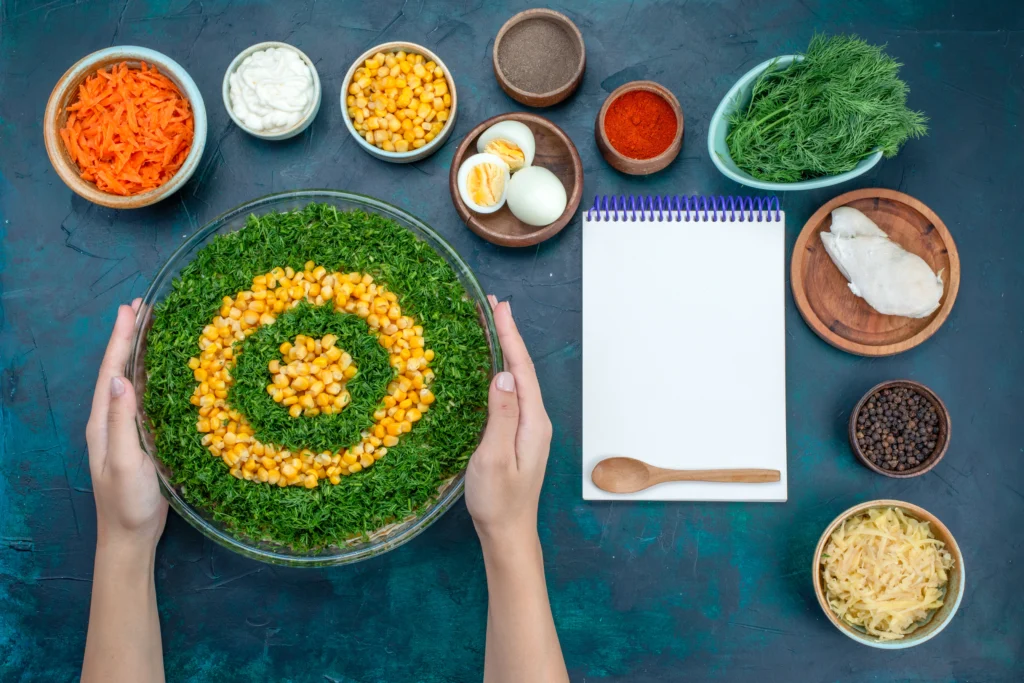
A high protein meal plan for weight loss helps because protein keeps you full and supports muscle during a calorie deficit. It’s also helpful for meal plan for men weight loss and muscle gain, since men often want fat loss without losing strength. For women, higher protein can improve satisfaction and reduce snacking.
Easy high-protein staples in the USA include eggs, egg whites, chicken breast, lean turkey, tuna packets, salmon, Greek yogurt, cottage cheese, tofu, edamame, and beans. Build meals around one protein anchor, then add vegetables and a carb or healthy fat.
Example day:
- Breakfast: Greek yogurt + fruit + chia
- Lunch: Chicken salad bowl + olive oil dressing
- Dinner: Salmon + veggies + quinoa
- Snack: Cottage cheese or a protein shake
If you’re lifting weights, aim for protein at every meal and a protein-rich snack after training. If you’re not lifting, protein still helps with fullness. You don’t need extreme amounts; consistency matters more than perfection.
Best diet plan for weight loss over 40 (and why it feels different)
The best diet plan for weight loss over 40 often needs two extra focus areas: muscle preservation and recovery. As we age, muscle can decline more easily if protein intake and strength training are low. Less muscle can mean fewer calories burned at rest, which makes weight loss feel slower.
If you’re a woman, a meal plan for women over 40 to lose weight should emphasize protein, fiber, and stress-friendly routines. Sleep and stress can strongly influence hunger signals. For men, the best diet plan for men over 40 to lose weight still centers on protein and vegetables, but many men also benefit from reducing late-night snacking and alcohol intake.
Practical over-40 upgrades:
- Strength train 2–3 times weekly (even light weights help)
- Prioritize protein at breakfast
- Add fiber daily (beans, oats, berries, veggies)
- Keep calories modest—avoid crash dieting
- Aim for consistent sleep and daily walking
If you feel “stuck,” don’t slash calories drastically. Instead, tighten portions slightly, increase steps, and improve protein and vegetables. Small adjustments work better long term.
Low-calorie meal plan for weight loss + budget tips that make it easier
A low calorie meal plan for weight loss doesn’t mean tiny meals. It means choosing foods that are high in volume and lower in calories: soups, salads, vegetables, fruit, lean proteins, and lower-fat cooking methods. You’ll feel more satisfied compared to “small portions of dense foods.”
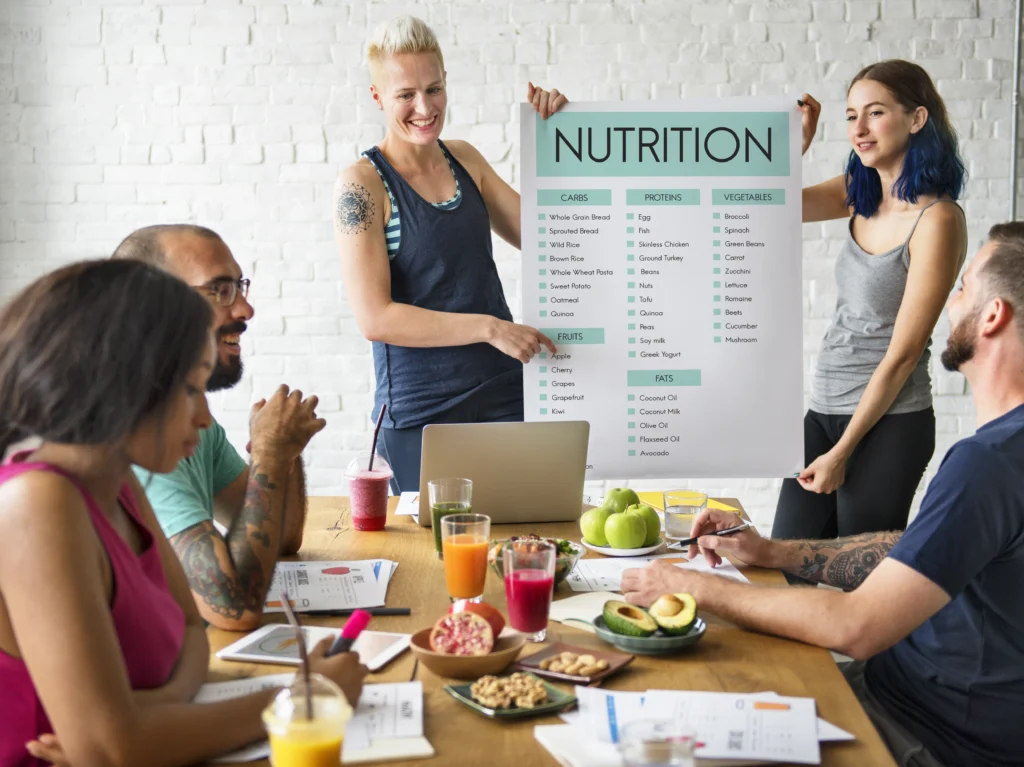
For a meal plan for weight loss on a budget, focus on affordable staples: eggs, oats, frozen vegetables, canned tuna, beans, lentils, rice, potatoes, chicken thighs, and store-brand Greek yogurt. Frozen fruit is often cheaper and lasts longer. Batch cook 2 proteins and 1 carb each week so you can mix and match meals.
Budget-friendly meal ideas:
- Bean and turkey chili
- Egg and veggie scrambles
- Chicken + frozen veggie stir-fry
- Tuna + rice + salad bowl
- Lentil soup with added chicken
If you eat out, pick one “control point”: choose grilled protein, add vegetables, and watch sauces. One meal won’t ruin progress, but repeated high-calorie extras can.
Conclusion
The best diet plan for weight loss is the one you can repeat without feeling miserable. Keep it simple: build meals around protein, fill your plate with vegetables, and use smart carb portions. Beginners do best with repetition and small wins, while adults over 40 often benefit from higher protein and strength training to protect muscle. Whether you want a 7-day starter plan, a high-protein approach, or a budget-friendly routine, the goal stays the same: steady habits that create a manageable calorie deficit. Skip the gimmicks, stay consistent, and adjust slowly based on results. If you can follow your plan 80% of the time, you’ll usually get better outcomes than any “perfect” diet you can’t maintain.
FAQs
1) What is the best diet plan for weight loss for beginners?
A simple plan: protein at every meal, vegetables at lunch and dinner, one planned snack, and fewer liquid calories. Consistency matters more than strict rules.
2) Is a high protein meal plan for weight loss safe?
For most healthy adults, moderate higher protein is fine and can improve fullness. If you have kidney disease or medical concerns, ask a healthcare professional first.
3) What’s the best diet plan for weight loss over 40?
Focus on protein, strength training 2–3 times per week, daily steps, fiber, and sleep. Avoid crash diets that reduce muscle and increase rebound hunger.
4) Can I lose weight with a balanced diet without cutting carbs?
Yes. You can lose weight with a balanced diet by controlling portions and total calories, while still eating carbs like rice, potatoes, and oats in reasonable amounts.
5) How do I follow a meal plan for weight loss on a budget?
Use affordable staples (oats, eggs, beans, frozen veggies, canned tuna), batch cook, and repeat meals. Budget plans work best when they’re simple and consistent.
Read More: Healthcare & Supplement Information at InclineChurch Stay informed with trusted wellness articles, blogs, self-care tips, and supplement information designed for everyday healthy living.