If you’ve ever felt like you’re “doing everything right” but your body isn’t responding, you’re not alone. A lot of people assume metabolism is fixed—something you’re born with and stuck with. In reality, your metabolism responds to your daily habits: how you eat, how you move, how you sleep, and how you manage stress.
This guide breaks down practical, science-backed ways to boost metabolism naturally—without pills, powders, or “fat burner” supplements. You’ll learn what actually influences your metabolic rate, which habits have the biggest impact, and how to start in a way that feels realistic.
What Is Metabolism, Really?
Metabolism is the process your body uses to convert food into energy. Even when you’re resting, your body burns calories to keep you alive—breathing, circulating blood, repairing tissues, and regulating temperature.
Your total daily calorie burn usually comes from three main parts:
- Basal Metabolic Rate (BMR): Calories burned at rest (the biggest portion for most people).
- Activity: Exercise and everyday movement.
- Digestion (Thermic Effect of Food): Energy used to digest and process what you eat.
So when people say they want to “speed up” metabolism, they usually mean they want their body to burn more energy throughout the day—or at least stop feeling stuck and sluggish.
Why Your Metabolism Might Feel Slow
A “slow metabolism” is often a mix of lifestyle factors rather than a single problem. Common reasons include:
- Loss of muscle mass (especially from years of dieting or inactivity)
- Not moving enough (low daily steps, long sitting hours)
- Too little protein
- Poor sleep
- High stress
- Eating too little for too long
- Inconsistent routines (weekdays strict, weekends chaotic)
The good news: these are changeable. If your goal is to boost metabolism naturally, start with habits that improve energy, muscle, and daily movement.
10 Proven Ways to Boost Metabolism Naturally (No Supplements)
1) Build Lean Muscle With Strength Training
If you want a real, lasting boost, strength training is a top priority. Muscle is a metabolically active tissue. More muscle often means you burn more calories at rest.
You don’t need a fancy program. You need consistency.
Start simple (2–3 days/week):
- Squats (or chair squats)
- Hip hinges (deadlift pattern)
- Push-ups (wall or incline)
- Rows (band or dumbbells)
- Planks or carries
Tip: Focus on getting stronger over time—more reps, more control, or slightly more weight.
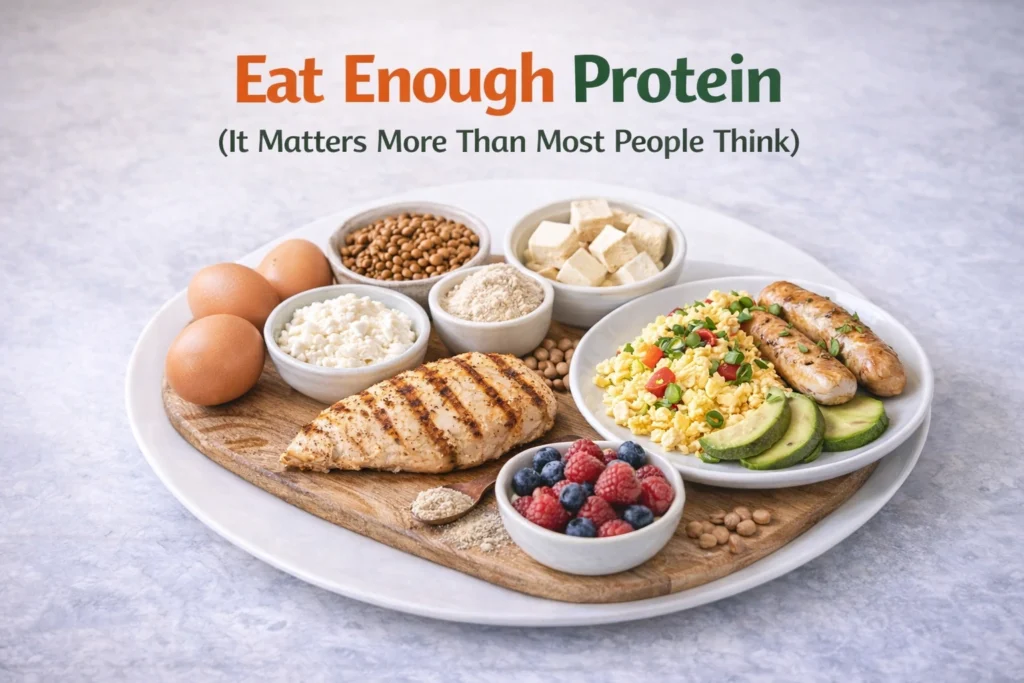
2) Eat Enough Protein (It Matters More Than Most People Think)
Protein supports muscle, reduces cravings, and requires more energy to digest than carbs or fats. That digestion “cost” is part of why protein helps boost metabolism naturally.
Easy protein choices:
- Eggs, Greek yogurt, cottage cheese
- Chicken, turkey, fish
- Lentils, beans, tofu, tempeh
- Whey or plant protein from food sources (if you prefer, but not required)
Simple goal: Add protein to every meal, especially breakfast.
3) Walk More to Raise Daily Calorie Burn (NEAT)
Most people focus only on workouts, but daily movement can matter even more. NEAT stands for non-exercise activity thermogenesis—things like walking, standing, chores, and taking stairs.
If you sit most of the day, improving NEAT can be the easiest way to increase your daily burn.
Try this:
- 10-minute walk after lunch or dinner
- Park farther away
- Take calls standing up
- Set a timer: move 2–3 minutes every hour
Small steps add up.
4) Use Short, Intense Cardio 1–2 Times Per Week
You don’t need hours of cardio. Short bursts can support fitness, heart health, and post-workout energy burn.
Beginner-friendly interval idea (20 minutes):
- 5 minutes easy warm-up
- 8 rounds: 30 seconds faster + 90 seconds easy
- 3–5 minutes cool down
Keep it challenging but doable. The goal is consistency, not exhaustion.
5) Sleep Like It’s Part of Your Metabolism Plan
If your sleep is off, metabolism-related hormones often get thrown off too. Poor sleep can increase hunger, cravings, and fatigue—and it makes movement harder the next day.
Better sleep basics:
- Keep bedtime and wake time similar most days
- Keep the room cool and dark
- Limit screens the last 30–60 minutes
- Avoid heavy meals right before bed
Even improving sleep by 30 minutes can make a difference.
6) Manage Stress (Because Cortisol Affects Appetite and Energy)
Stress doesn’t “ruin” your metabolism overnight, but chronic stress can shift your appetite, increase cravings, and reduce your motivation to move.
If your nervous system is always on high alert, “healthy habits” feel harder.
Simple stress reducers:
- 5 minutes of slow breathing
- A short walk outside
- Journaling (brain dump before bed)
- Light stretching
- Saying no to one unnecessary obligation
Stress management won’t just help your mood—it can support weight goals too.
7) Hydrate Well (Especially Earlier in the Day)
Water supports digestion, performance, and energy. Mild dehydration can make you feel tired and less likely to move—which indirectly affects calorie burn.
Easy hydration routine:
- Water when you wake up
- Water with every meal
- Keep a bottle visible on your desk
If you’re active, adjust based on sweat and weather.
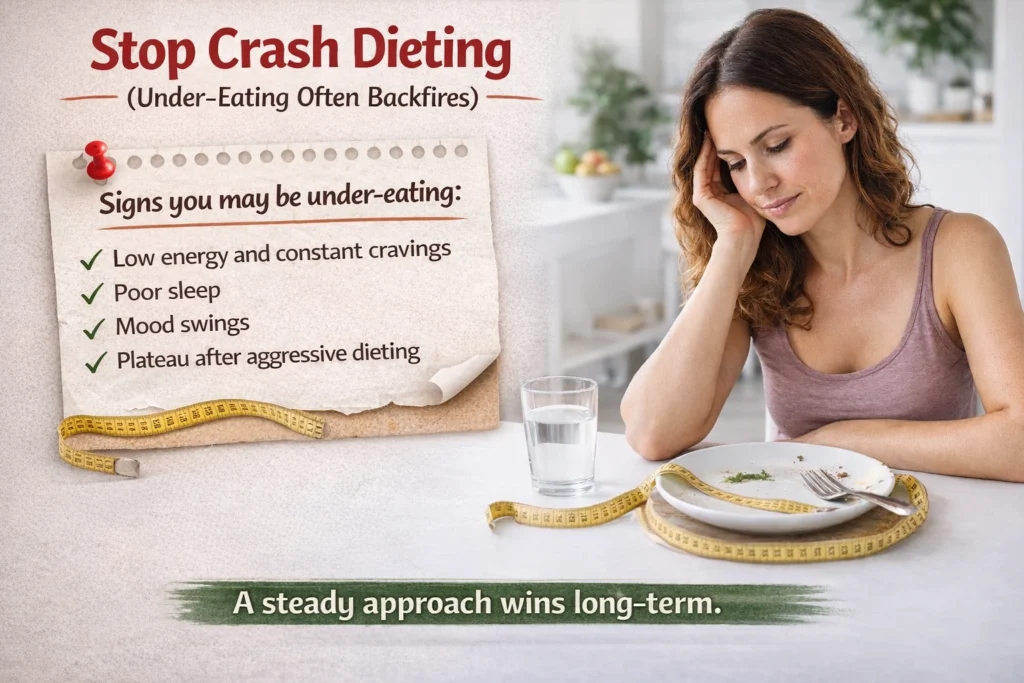
8) Stop Crash Dieting (Under-Eating Often Backfires)
If you consistently eat too little, your body adapts. You may move less without realizing it, feel colder, sleep worse, and feel hungrier. This can look like “my metabolism is broken,” but it’s often your body trying to conserve energy.
If fat loss is your goal, aim for a sustainable plan, not extreme restriction.
Signs you may be under-eating:
- Low energy and constant cravings
- Poor sleep
- Mood swings
- Plateau after aggressive dieting
A steady approach wins long-term.
9) Eat More Fiber for Fullness and Stable Energy
Fiber helps you feel satisfied and supports gut health. It also helps keep blood sugar steadier, which can reduce cravings and energy crashes.
High-fiber foods:
- Oats, quinoa, brown rice
- Lentils, beans, chickpeas
- Chia seeds, flaxseed
- Vegetables (especially leafy greens)
- Berries, apples, pears
Aim to include fiber at most meals.
10) Use Food Strategies That Support Thermogenesis
Some foods slightly increase calorie burn through digestion and body temperature regulation. These are small effects, but they can help when paired with the fundamentals.
Natural metabolism helpers:
- Protein-rich meals
- Coffee or tea (if tolerated)
- Spicy foods (if your stomach handles it)
- Hot soups and warm meals (helpful for appetite control)
Keep expectations realistic. These are “extras,” not the main plan.
Metabolism-Boosting Foods to Add This Week
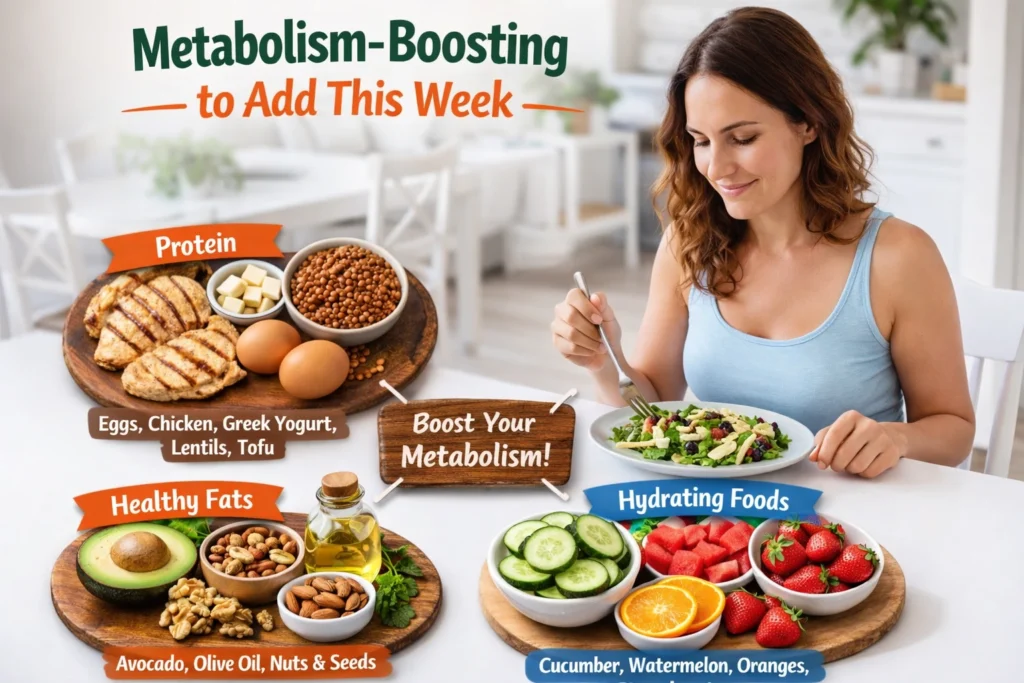
Here’s a practical list you can use right away:
Protein (builds muscle + supports fullness)
- Eggs, Greek yogurt, cottage cheese
- Chicken, fish, turkey
- Lentils, beans, tofu
Fiber (steady energy + better appetite control)
- Oats, chia seeds, berries
- Broccoli, spinach, carrots
- Beans and chickpeas
Healthy fats (support hormones + satisfaction)
- Olive oil, avocado
- Nuts and seeds
- Fatty fish
Hydrating foods
- Cucumbers, watermelon
- Oranges, strawberries
- Soups and broths
If you want to boost metabolism naturally, focus on meals that combine protein + fiber + healthy fats.
A Simple 7-Day Plan to Boost Metabolism Naturally
You don’t need perfection. You need a repeatable routine.
Daily Non-Negotiables
- Protein with breakfast
- 7,000–10,000 steps (or add 2,000 steps from your baseline)
- Water with each meal
Weekly Targets
- Strength training: 2–3 sessions
- Intervals: 1–2 sessions (or brisk walks if preferred)
- Sleep: consistent bedtime 5 nights/week
Example Week
Day 1: Strength + 10-min walk after dinner
Day 2: Brisk walk 30 min + early bedtime
Day 3: Strength + high-protein lunch
Day 4: Intervals (20 min) + hydrate
Day 5: Strength + extra steps
Day 6: Long walk + fiber-focused meals
Day 7: Rest day + light mobility + meal prep
This structure keeps things simple and effective.
Common Mistakes That Can Slow Progress
If you feel stuck, check these:
- Doing only cardio and skipping strength training
- Eating too little protein
- Sitting most of the day
- Sleeping 5–6 hours and expecting great results
- Going “all in” Monday–Friday and losing structure on weekends
- Relying on quick fixes instead of habits
Fixing just one of these can change everything.
When to Consider a Medical Check
Sometimes fatigue, weight changes, or low energy have medical causes. If you notice persistent symptoms, consider speaking with a healthcare professional.
Possible reasons to check in include:
- Unusual fatigue
- Hair thinning
- Feeling cold often
- Irregular periods
- Sudden weight change without lifestyle changes
Getting clarity can help you choose the right plan.
FAQs (6)
1) How can I boost metabolism naturally the fastest?
The fastest habit-based combo is strength training + higher protein + more daily steps. These directly support muscle and daily calorie burn, which are key for metabolic health.
2) Can I increase metabolism without supplements?
Yes. Supplements are not required. The biggest changes come from muscle-building, movement, sleep, and consistent eating habits.
3) What foods help boost metabolism naturally?
Protein-rich foods (eggs, fish, lentils) and high-fiber foods (beans, oats, vegetables) support fullness, digestion, and steady energy—helping you stay active and consistent.
4) Does walking really help metabolism?
Absolutely. Walking increases daily calorie burn through NEAT. For many people, improving step count is one of the most effective and sustainable strategies.
5) Does strength training boost metabolism more than cardio?
Strength training often provides a stronger long-term benefit because it helps build and maintain muscle. Cardio is great for heart health and fitness, but strength training supports resting calorie burn.
6) How long does it take to improve metabolism naturally?
Many people notice better energy and appetite control within 1–2 weeks. Visible body changes typically take 4–8 weeks with consistent strength training, steps, and protein intake.
Final Thoughts
You don’t need supplements to support a healthy metabolism. If you want to boost metabolism naturally, focus on what actually changes your body over time: build muscle, move more, eat enough protein and fiber, sleep better, and manage stress.
Start with just two habits this week:
- Protein at breakfast
- 10-minute walk after one meal
Do that consistently, and you’ll be surprised how quickly your energy and progress improve.
Read More: Healthcare & Supplement Information at InclineChurch. Stay informed with trusted wellness articles, self-care tips, and supplement information designed for everyday healthy living.